How to Choose a Thread Repair Kit: Thread Size, Pitch, Insert Length & Kit Contents
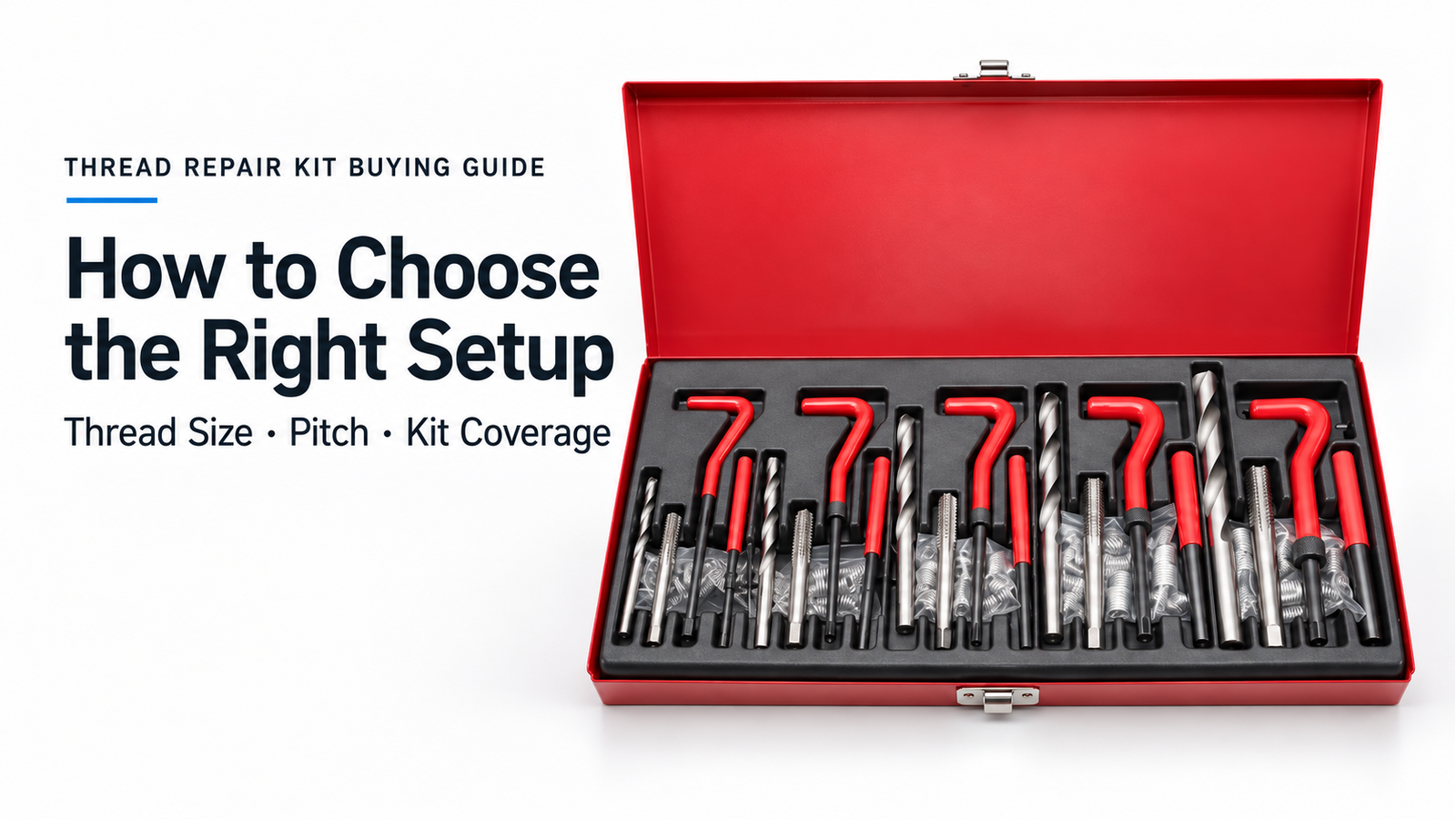
Compare thread repair kits by thread standard, size, pitch, insert length and included tooling — why piece count and a size like M8 are not a complete specification.
Resources
Practical insights for distributors, importers and aftermarket brands on sourcing, product selection, OEM/ODM, private label and quality considerations.

Compare thread repair kits by thread standard, size, pitch, insert length and included tooling — why piece count and a size like M8 are not a complete specification.

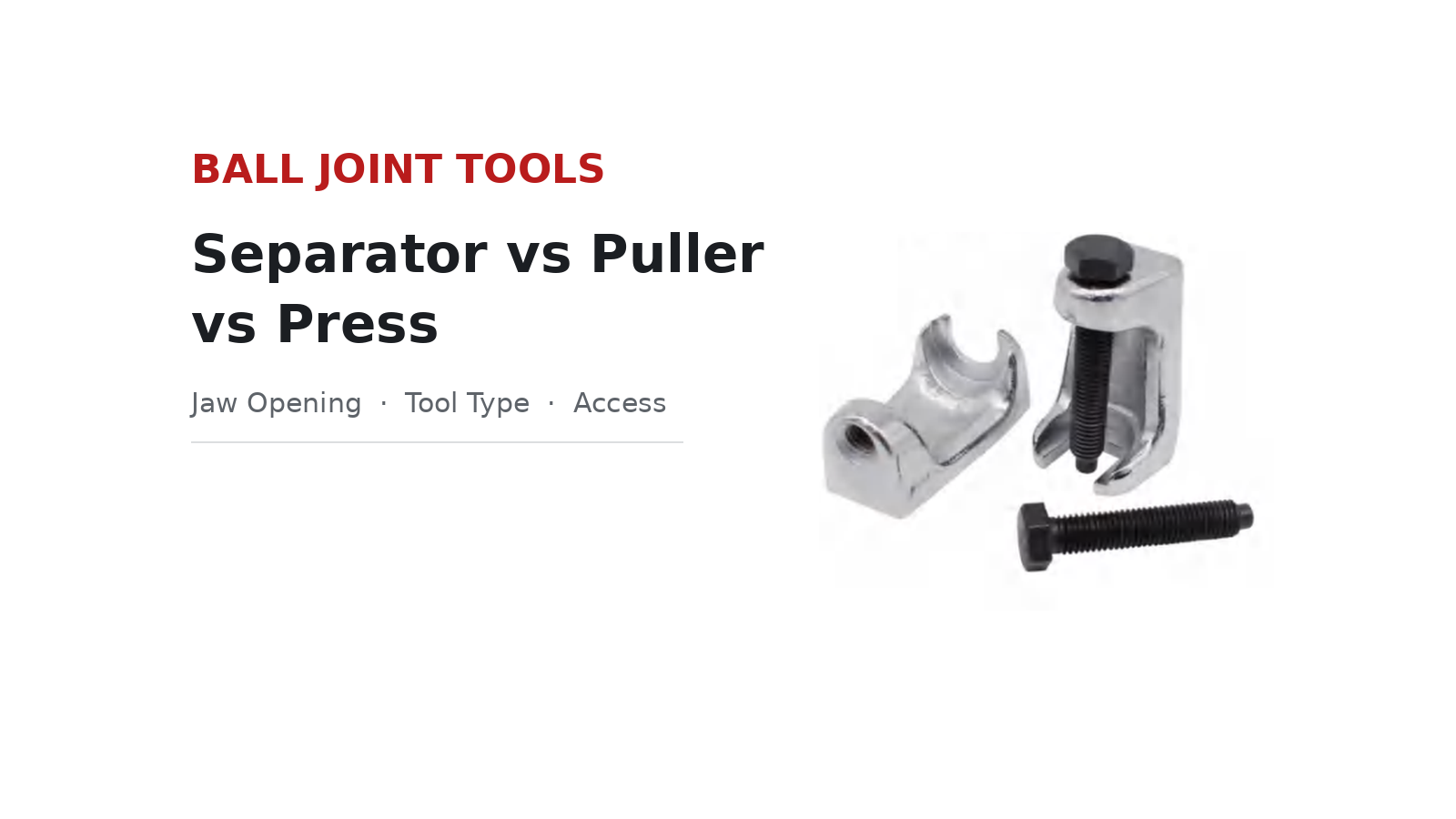
Compare ball joint separators, pullers and presses: what each tool does, why jaw opening and access decide the choice, and why a vehicle name is not enough.

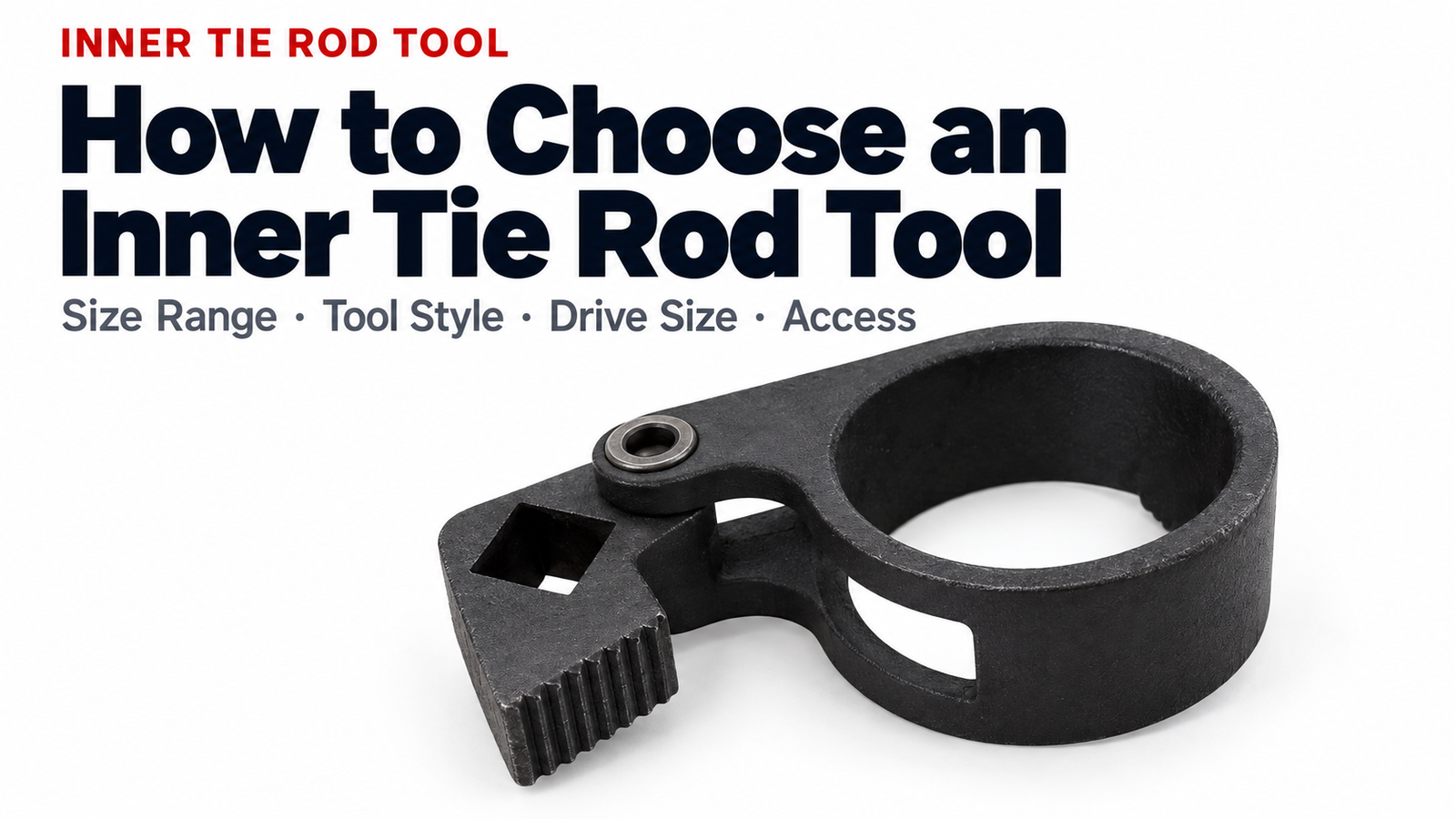
Compare inner tie rod tools by size range, tool style, drive size and access — why “universal” and vehicle brand alone are not fitment specifications.

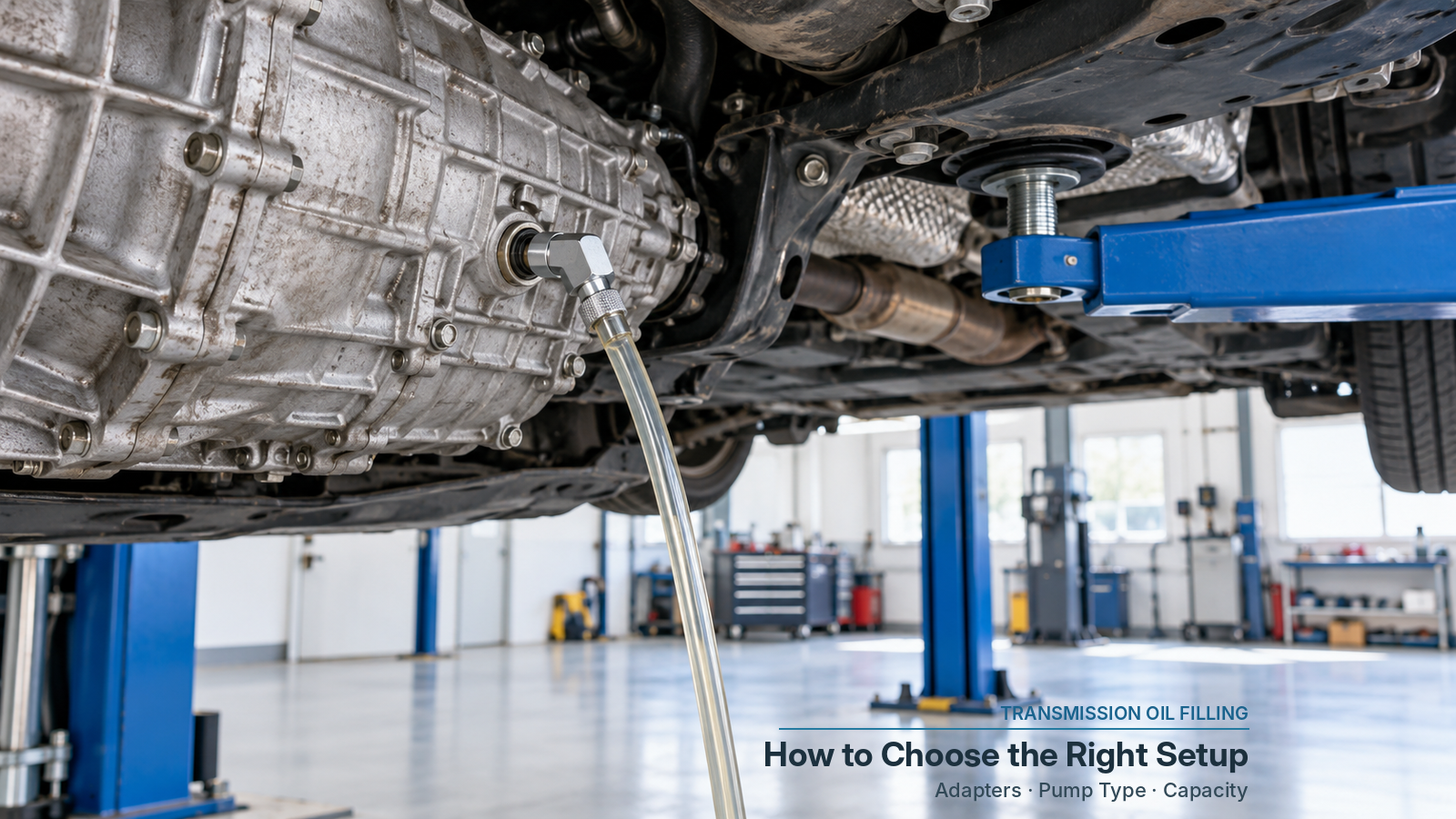
Compare transmission oil filling tools by adapter compatibility, pump type and tank capacity: why adapter count is not a fitment conclusion.

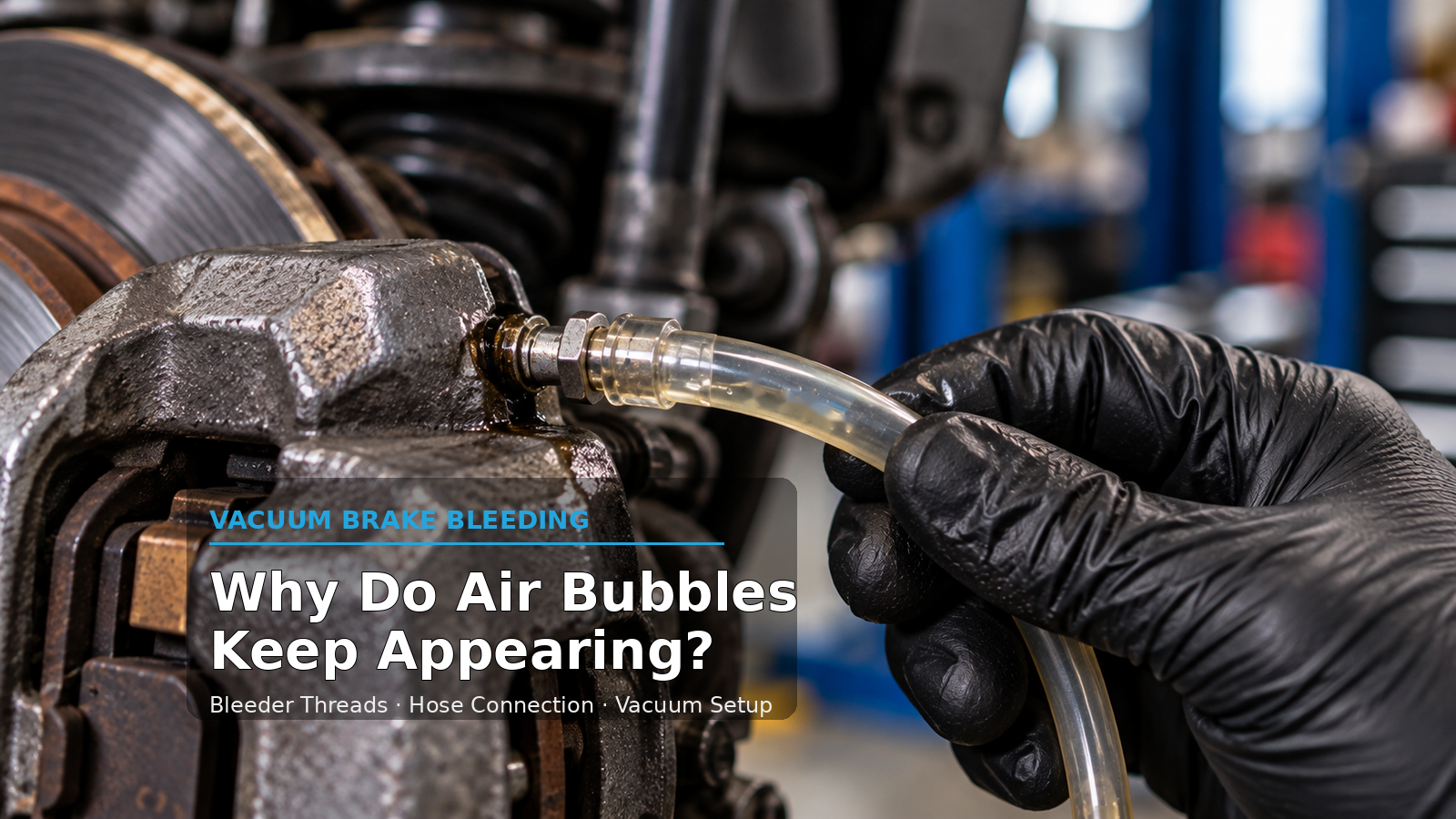
A vacuum brake bleeder can show bubbles after system air is removed, because vacuum can pull external air around the bleeder screw threads. Check the setup first.

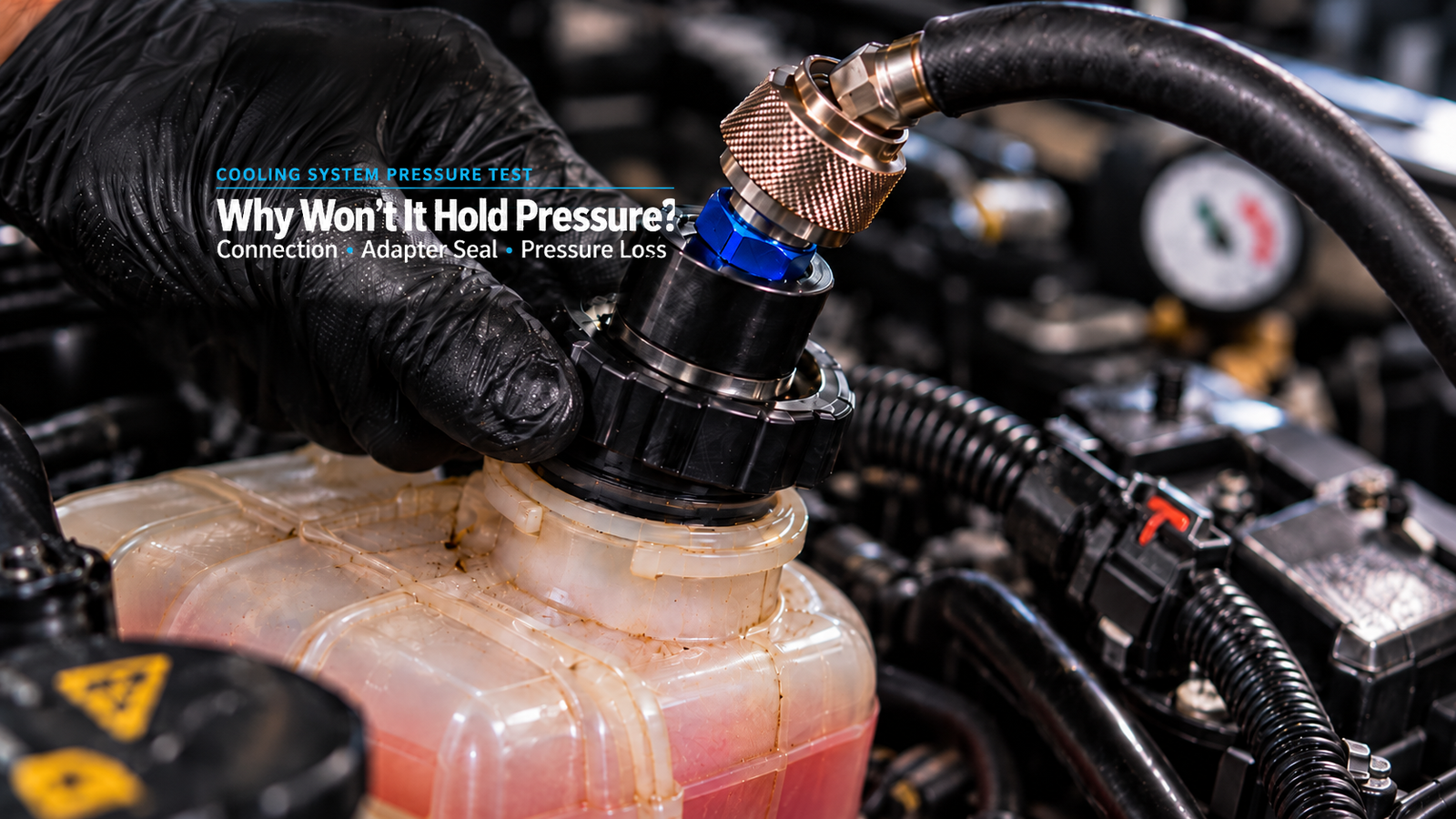
A pressure tester can fail to build or hold pressure when the test connection is not sealed, the wrong connection point is used, or the cooling system leaks. Check the setup before reading the gauge.

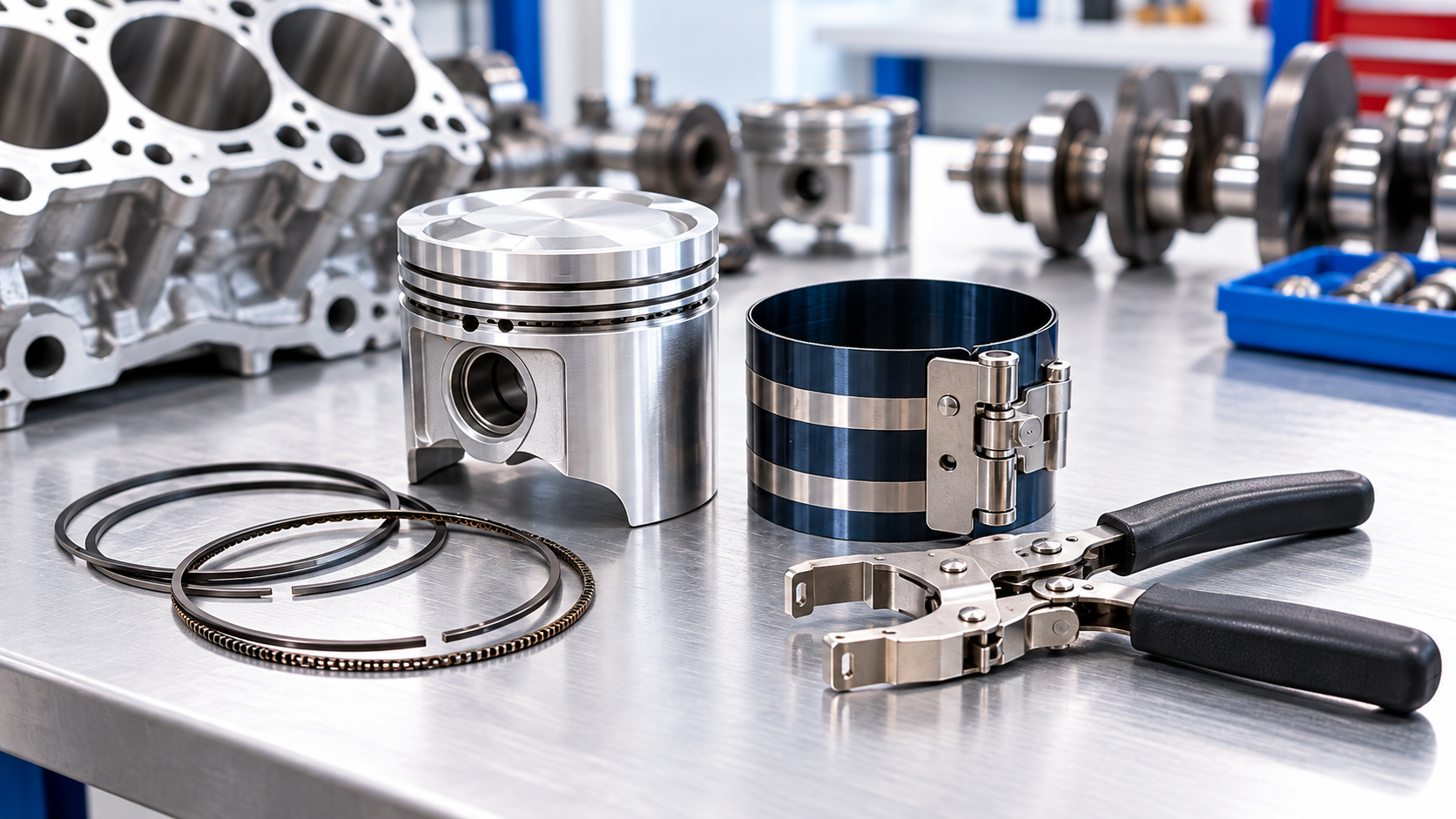
Compare piston ring compressor sizes by bore diameter and band coverage: why the overall kit range is not enough, and what buyers should confirm before ordering.

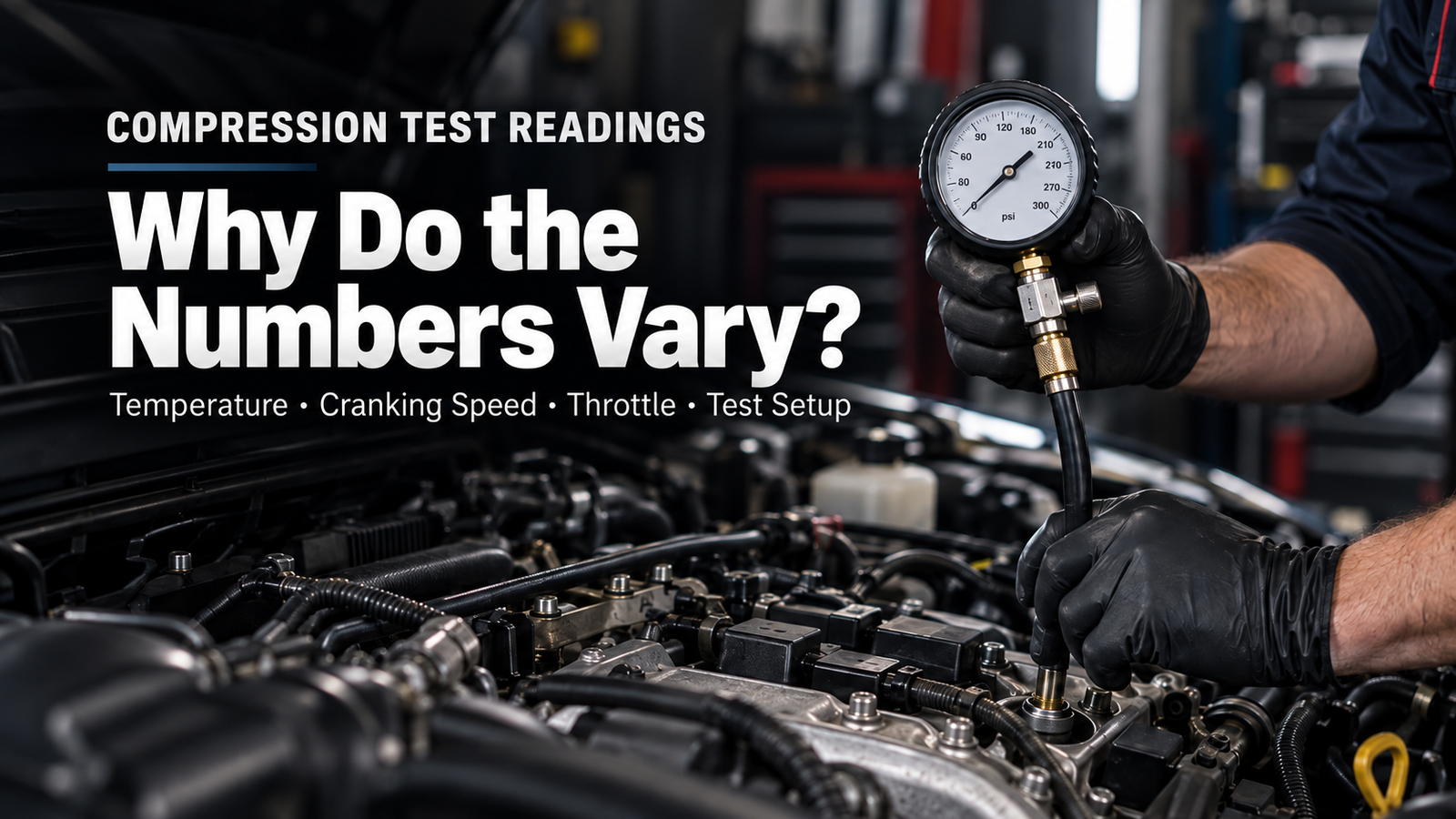
Learn why compression test readings vary with engine temperature, cranking speed, throttle position, adapter fit and test setup.

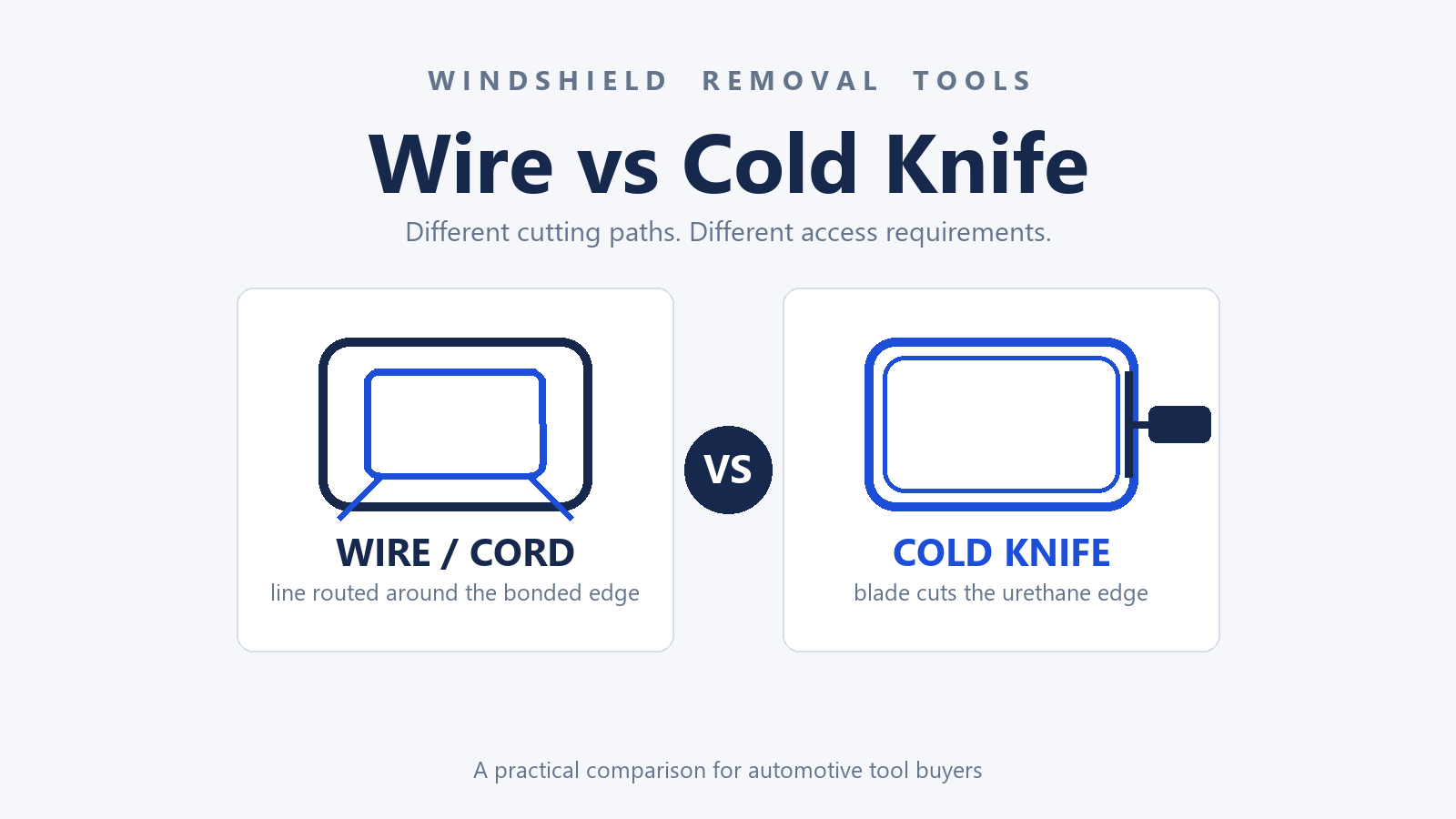
Compare windshield removal wire and cord systems with cold knives: how each cuts the urethane bond, where access matters, and what auto glass tool buyers should confirm.

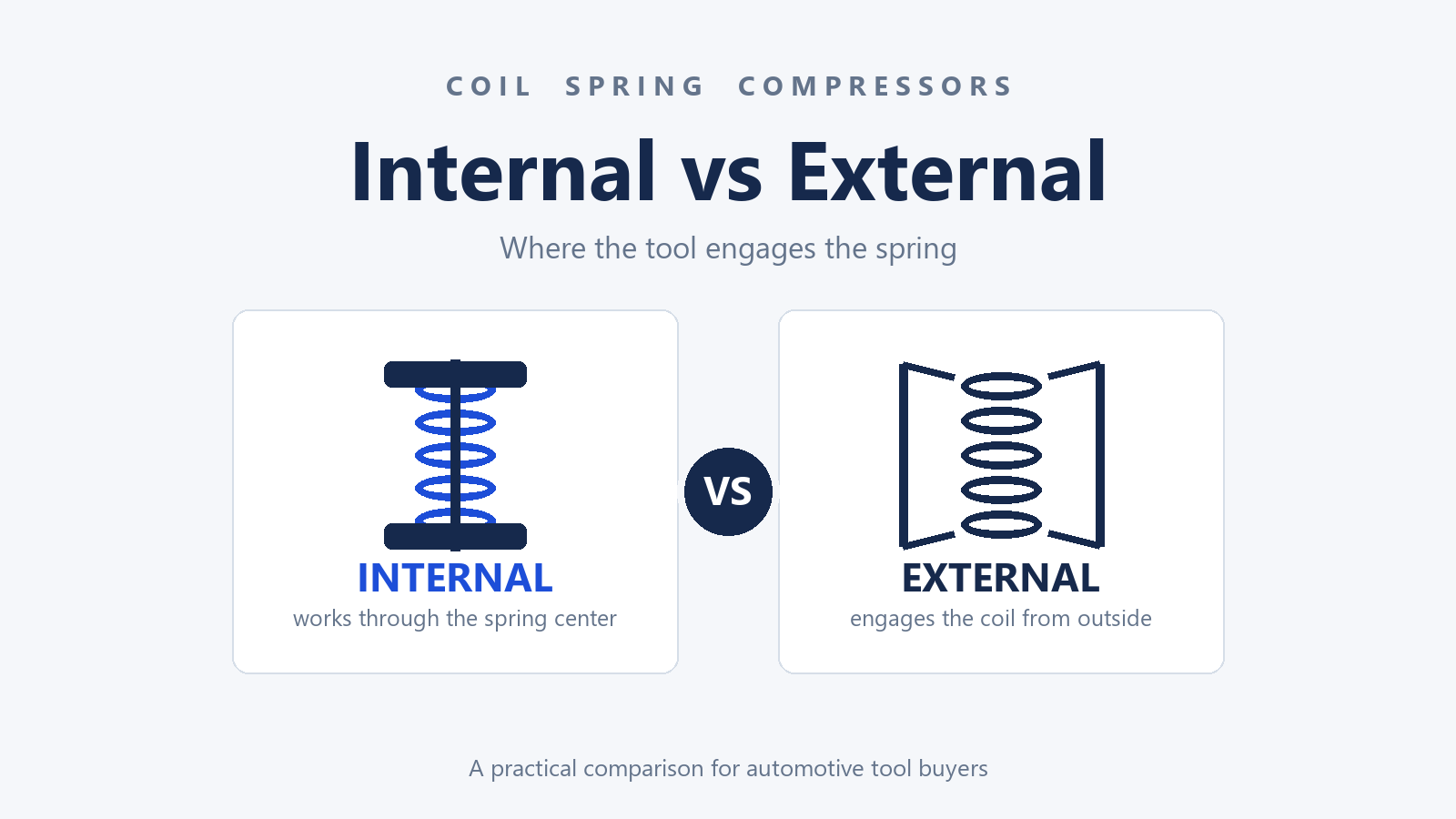
Compare internal and external coil spring compressors: engagement points, strut geometry, spring dimensions and what tool buyers should confirm before ordering.