Sep 20, 2026Buyer Guides
What Should Distributors Check Before Private Labeling Automotive Repair Tools?
Private labeling goes beyond a logo. Here are the practical checks distributors should make before committing to a private-label tool program.
A private label program lets a distributor sell established tools under its own brand — without tooling a new product. The work is in the details. These are the checks worth making before you commit budget to a program.
1. Product Suitability
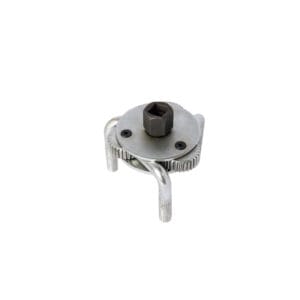
Not every tool in a range is equally suited to private label. Start with products that already have steady demand in your market and are produced to a stable specification — established categories such as oil filter wrench sets or hose clamp pliers sets are the usual candidates. Products that need many changes before they fit your market are usually a better fit for the custom development route.
2. Sample Confirmation
Always request and approve a sample before production, and check it against the agreed written specification. Where materials, finish, dimensions, set contents or packaging requirements have been specified, verify those points on the sample before approval. For set-based products, check every piece in the set, not just the main tool.
3. Branding Elements
Clarify exactly which branding elements the manufacturer can apply — for example logo placement, packaging design, color scheme and instruction manual language — and confirm anything beyond those, such as barcode labels, in writing before production begins.
4. Packaging
Packaging is the first thing your customers see. Ask which packaging types are available across the range (blister cards, canvas bags, blow cases, storage boxes), whether custom packaging artwork is supported, and what the minimum requirements are for custom artwork.
5. Your Customers' Expectations
Consider your distribution channel. Workshop buyers may prioritise durability and function. Retail customers may also care about presentation and packaging. Make sure the product specification and packaging match the expectations of your target market.
How to Start
Send the products you are interested in, the branding requirements you have, and your estimated quantities. The manufacturer can confirm which items are suitable for private label and provide samples for your review.